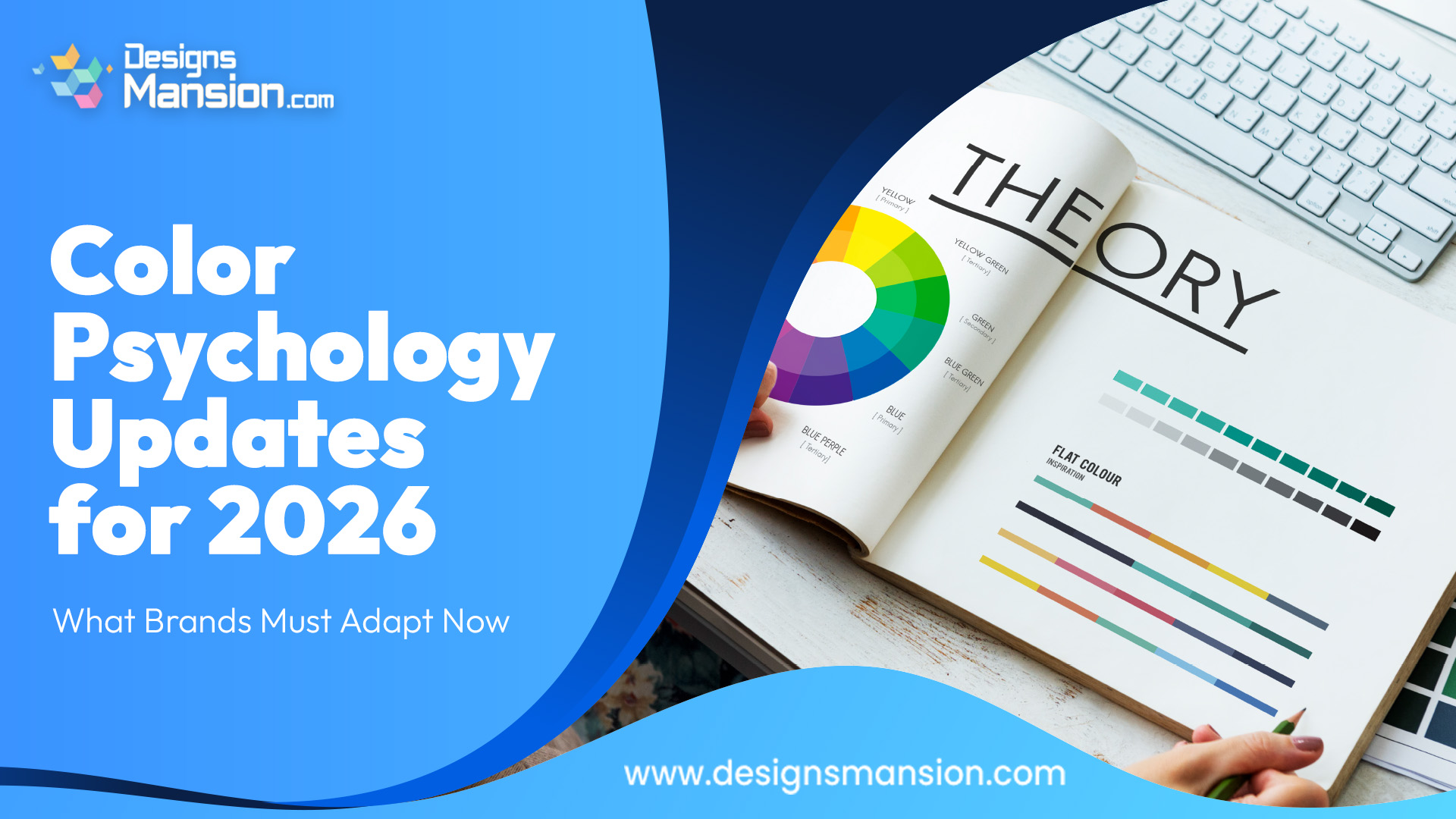
Colors, especially when it comes to brand marketing, are more than they seem at first glance. A combination of colors shapes perception, provokes emotions, and encourages exploration. Therefore, color psychology has a special place when it comes to brand marketing and promotion. Whether you are launching a new brand, reshaping the existing one, or introducing a new version of a product, understanding color trends in branding psychology is of huge importance. What color psychology updates are waiting to be known by you in 2026? Which direction should you move in? The present blog answers it all.
Consumer behavior is changing faster than before. Audiences are more informed, visually literate, and emotionally selective. They no longer respond to colors simply because they look appealing; they react to what those colors represent. This is why branding psychology in 2026 is leaning toward intention rather than tradition. Brands are being judged not only on what they sell, but on how thoughtfully they communicate. As digital experiences continue to dominate, color choices now need to perform well across screens, lighting conditions, and accessibility standards. This has pushed brands to rethink how color trends align with usability, clarity, and emotional relevance.
One noticeable update in color trends for 2026 is the shift toward softer, muted palettes. Harsh, overly saturated colors are being replaced by calmer tones that convey balance and trust. This doesn’t mean brands are becoming dull; instead, they are becoming more deliberate. Muted blues, warm neutrals, and softened greens are being used to create a sense of reliability and emotional comfort. In branding psychology, these tones help reduce visual fatigue and allow audiences to engage for longer periods. Brands that rely on long-form content, digital platforms, or service-based models will benefit most from this approach.
Rather than using multiple loud colors to grab attention, brands are now focusing on emotional contrast. This means pairing calm base colors with a single, meaningful accent. The goal is not to overwhelm the viewer but to guide them. From a design strategy perspective, this approach improves focus and strengthens message hierarchy. Accent colors are being reserved for calls to action, key information, or moments of emphasis. This makes the overall brand experience feel cleaner and more intentional, which aligns well with modern consumer expectations.
In 2026, authenticity plays a major role in how brands select their colors. Audiences can quickly sense when a color choice feels forced or purely trend-driven. As a result, branding psychology is moving toward colors that reflect real brand values rather than surface-level appeal. Earth-inspired tones, understated pastels, and heritage shades are being used to communicate honesty and long-term commitment. These color trends are especially effective for brands that want to highlight sustainability, craftsmanship, or community-driven values. The key is consistency, colors must align with the brand story across all touchpoints.
Another important update is the rise of adaptive color systems. Instead of relying on a single fixed palette, brands are developing flexible systems that adjust based on platform, audience, or context. This allows for personalization without losing brand recognition. From a design strategy standpoint, adaptive colors help brands stay relevant in different markets and digital environments. For example, a brand may use warmer tones for storytelling content and cooler tones for informational layouts. This controlled flexibility enhances user experience while maintaining a cohesive identity.
Brands can no longer afford to treat color as a decorative afterthought. Color trends are evolving alongside consumer expectations, digital behavior, and emotional awareness. Branding psychology now demands clarity, authenticity, and adaptability. A strong design strategy rooted in modern color psychology helps brands communicate more effectively and build lasting relationships. By choosing colors with purpose and understanding their psychological impact, brands can stay relevant, trustworthy, and emotionally resonant in the year ahead.